
Stain Removal
The Right Tools for the Job

If you saw our blog with quick tips on Emergency Stain Removal ,you might be wondering what products are best for different types of stains.
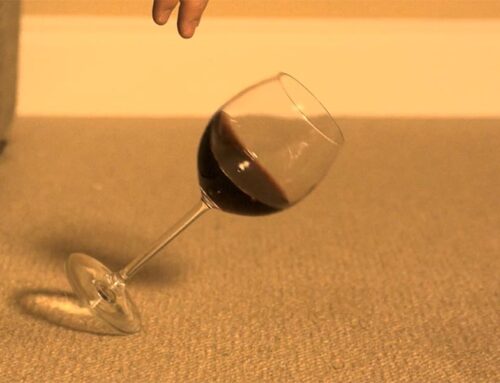
The key is being prepared. If something gets spilled onto your carpet, prompt action is required to prevent staining.
The National Carpet Cleaners Association recommend you have the following items and solutions to hand for dealing with spillages as soon as possible.
- Clean white absorbent cloth or towel
- Dry Cleaning Solution – Surgical Spirit (usually available from local chemists)
- Detergent Solution – One teaspoonful of gentle detergent for washing woollens, to half a pint (0.3 litres) of warm water
- Detergent Vinegar Solution – Add one teaspoonful of white (not malt) vinegar to the Detergent Solution
- Ammonia Solution – One teaspoonful of branded household Ammonia (available from hardware stores) to one cup of warm water

Each of these solutions can then be used to treat different kinds of stains.
Alcohol, coffee, tea, liquid Foods, urine – Detergent vinegar solution
- Blot up surplus spillage
- Use Detergent Vinegar Solution, a little at a time
- Work from the outer edge of the stain inwards
- Frequently blot with dry cloths
- See below for final rinse procedure
Chocolate, sweets, blood, glue, egg, ice cream, milk, soft drinks, vomit – Detergent solution with Ammonia solution
- Scrape up excess with a blunt knife
- Use a Detergent Solution starting at the outer edge
- Blot dry
- Follow up with Ammonia Solution
- Blot dry
- See below for final rinse procedure
Solids, fats, tar, chewing gum, oil, ointment, shoe polish – Dry cleaning solution
- Scrape up or blot surplus spillage
- Use a Dry Cleaning Solution followed by Detergent Vinegar Solution
- Blot dry
- See below for final rinse procedure
Unknown stains – Dry cleaning solution, plus detergent/detergent vinegar
- Scrape up or blot surplus spillage
- Use a Dry Cleaning Solution followed by clean luke-warm water
- Blot dry
- If further treatment is needed, use either Detergent or Detergent Vinegar Solution
- Blot dry
- See below for final rinse procedure
Final Rinse Procedure (applicable to all above methods of stain removal)
- Mix one-part white vinegar and four-parts water
- Pour mixture into a spray bottle and spray over the stained area
- Blot dampened area (do not rub) to remove excess moisture
- Spread white kitchen towel (stacked 6-8 sheets deep) or absorbent cloth over the affected area and place a weight, such as a telephone directory, on top
- Leave overnight and repeat if necessary
Whilst this stain removal guide may be basic, it should help prevent some quite common and expensive DIY stain removal damage. Unfortunately, there can never be a guarantee of complete removal of a stain, but the correct routine will give your professional cleaner, if or when called in, the best possible chance of success.
Some new carpets have been subjected to anti-static and soil-resistant treatments. Even when these have been applied, it is wise to follow the stain removal procedures suggested.
Remember, act quickly. Scrape up solids, blot up liquids. Take plenty of time, it is worth the effort. Mix the solution accurately and test it on a hidden piece of carpet (or upholstery). Always work from the outer edge of the stain to the centre. Dab or blot rather than scrub or rub. And, most importantly, never over-wet.



Leave A Comment